Reinvent Forum Lisbon
Collaboration for Insurance ExcellenceJoin us in Lisbon, Portugal on 6 and 7 June 2024! Top-level expert speakers from major global institutions to explore the evolving landscape of emerging technologies and embedded services, the transformative power of innovation within the insurance sector, and create collaboration opportunities.
Unlock the future of mobility
Opportunities and threats facing financial services providers in the mobility revolutionDive into the latest trends shaping the mobility industry with our new report developed in collaboration with Corporate Value Associates. Gain valuable insights and strategies from global industry leaders to stay ahead in the rapidly evolving landscape.

Most recent News & Articles

Vote now to decide on the 2024 Innovation in Insurance Awards winners!
Discover the nominees for the 9th Innovation in Insurance Awards and vote to crown the best.
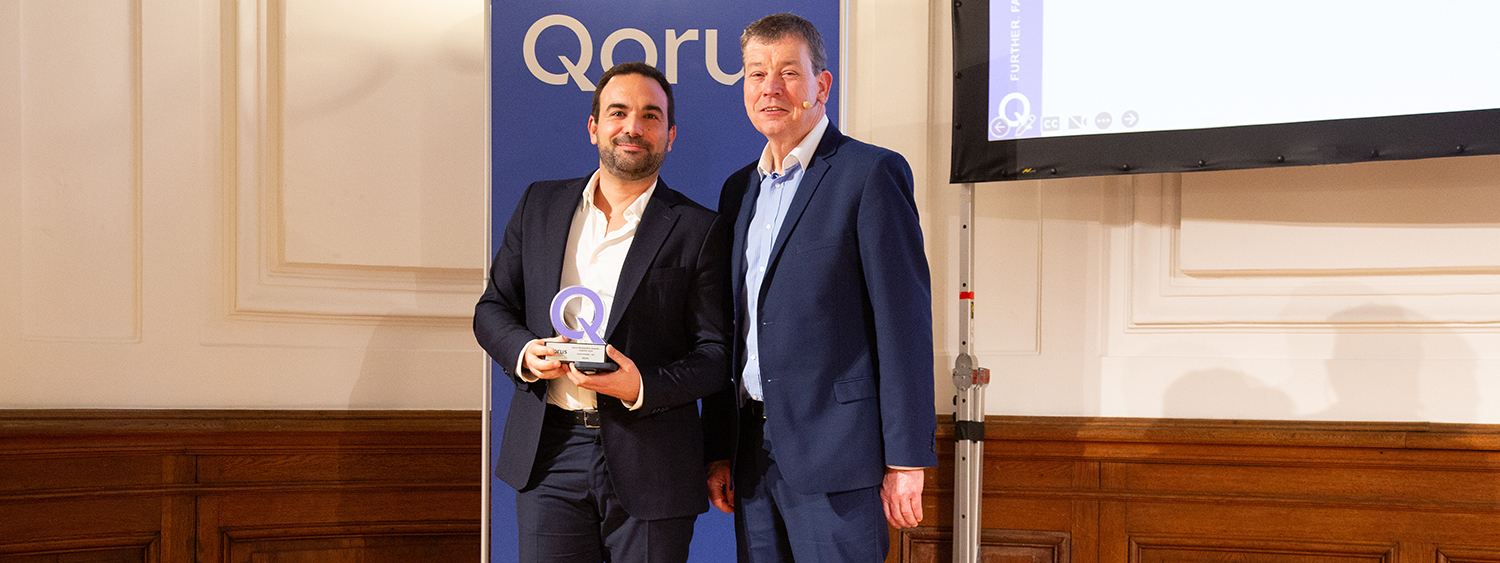
Ageas Portugal wins silver in ESG category at Qorus Reinvention Awards – Europe 2024
Grupo Ageas Portugal received the silver award in the Environmental, Social and Governance (ESG) category at the Qorus Reinvention Awards...
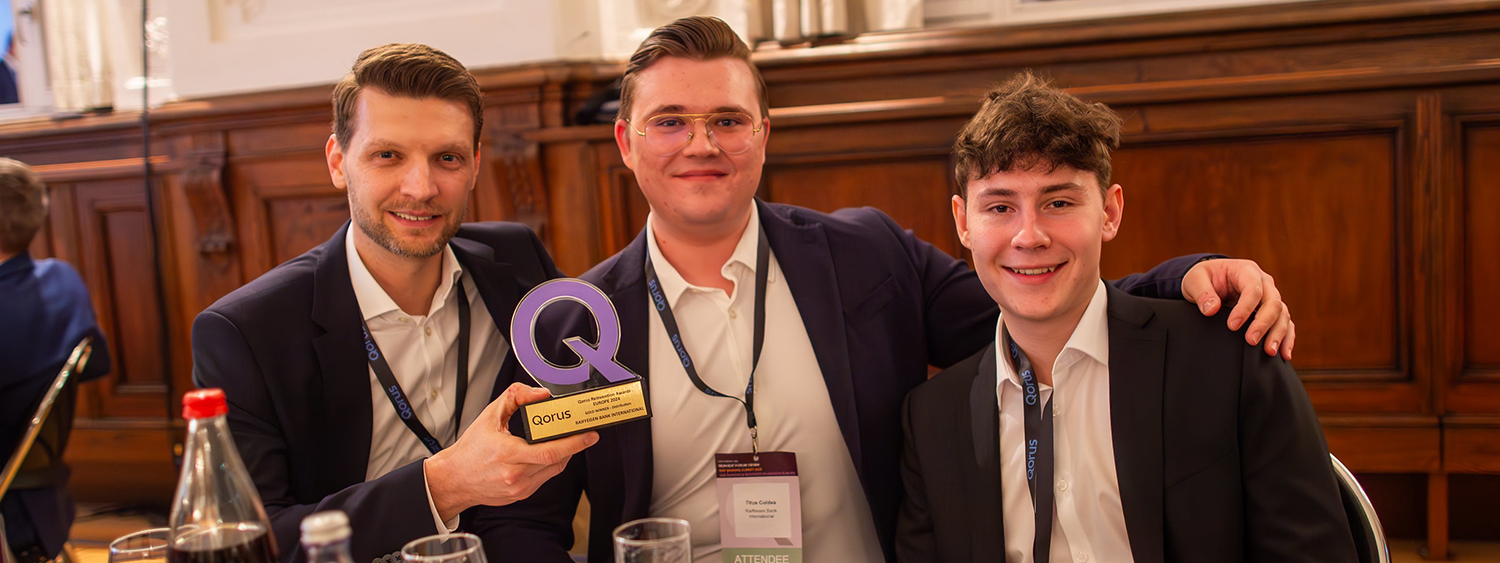
Raiffeisen Bank International secures gold at Qorus Reinvention Awards with creative financial literacy game
Timo Mende, working student at Raiffeisen Bank International (RBI), and his team won the gold award in the Distribution category...
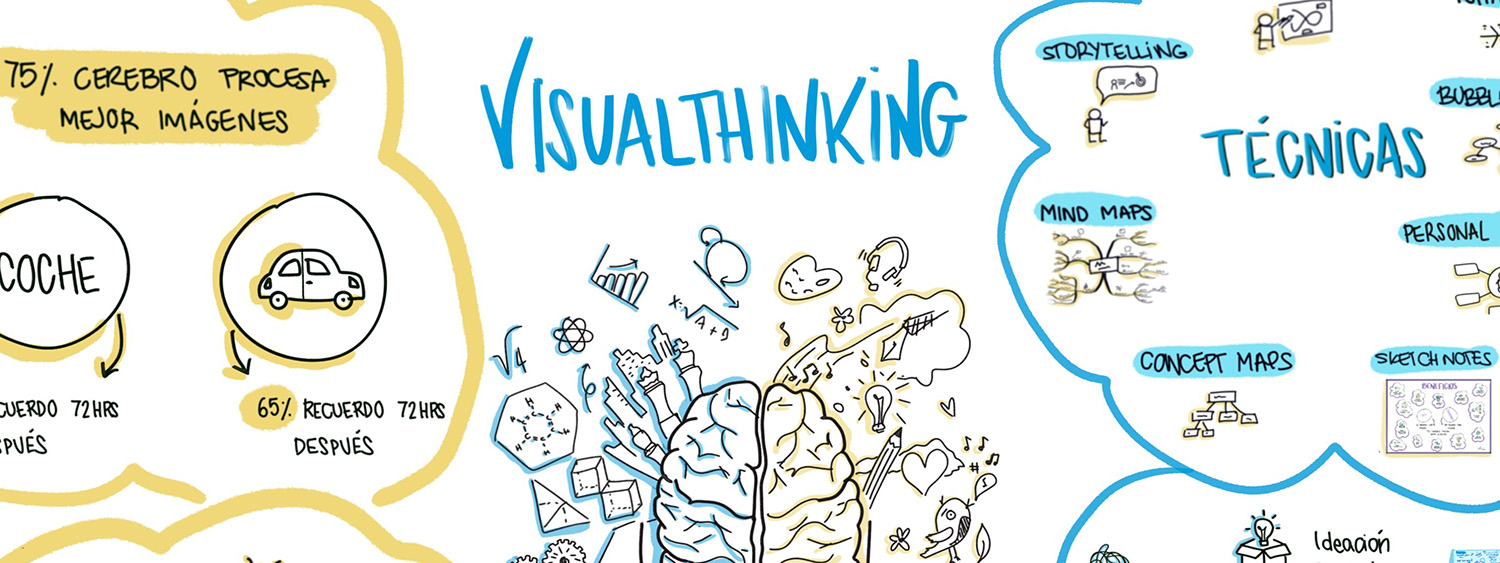
CaixaBank boosts innovation with visual thinking
CaixaBank is innovating its work methodologies through its subsidiary, CaixaBank Tech, aiming to streamline decision-making processes.
Standard Chartered launches open banking marketplace to accelerate API adoption
Standard Chartered has launched its new Open Banking Marketplace, offering a one-stop platform for both existing and prospective clients to...

Rich rewards in the mobility sector trigger a scramble for scale
To succeed in the mobility business, companies need scale – and they need it fast. Representatives from Spanish financial services...

The 2024 Qorus-Infosys Finacle Banking Innovation Awards submission guide
The Qorus-Infosys Finacle Banking Innovation Awards are open for entries until June 21, 2024. Here's a guide to everything you...
Most recent Studies & Reports

Driving forces: The interplay of financial services and the EV sector
The financial services sector and the electric vehicle (EV) sector are two dynamic realms undergoing a significant transformation in today's...

A bancassurance breakthrough: Nurturing SME relationships through customized insurance products
In this paper, we outline the opportunity bancassurance presents to banks, as well as the key considerations that should be...

Innovation Radar: Reinvention Awards Europe winners 2024
Discover the most innovative projects from banks and insurance companies in Europe.

Unleashing SME banking potential with embedded finance: Simplifying financial services to create unprecedented convenience for SMEs
In this paper, we will unravel the key challenges that banks need to address to not only navigate the upcoming...
Latest innovations

Patakero.com
Concept: Patakero.com is a digital marketplace transforming financial services in Pakistan by enabling easy access to products like loans, credit...

User Experience in wholesale/SME by Santander Spain
2023 developements to became best-in-class in wholesale/SME: Santander Spain is a leader in SME market, and in the digital arena...
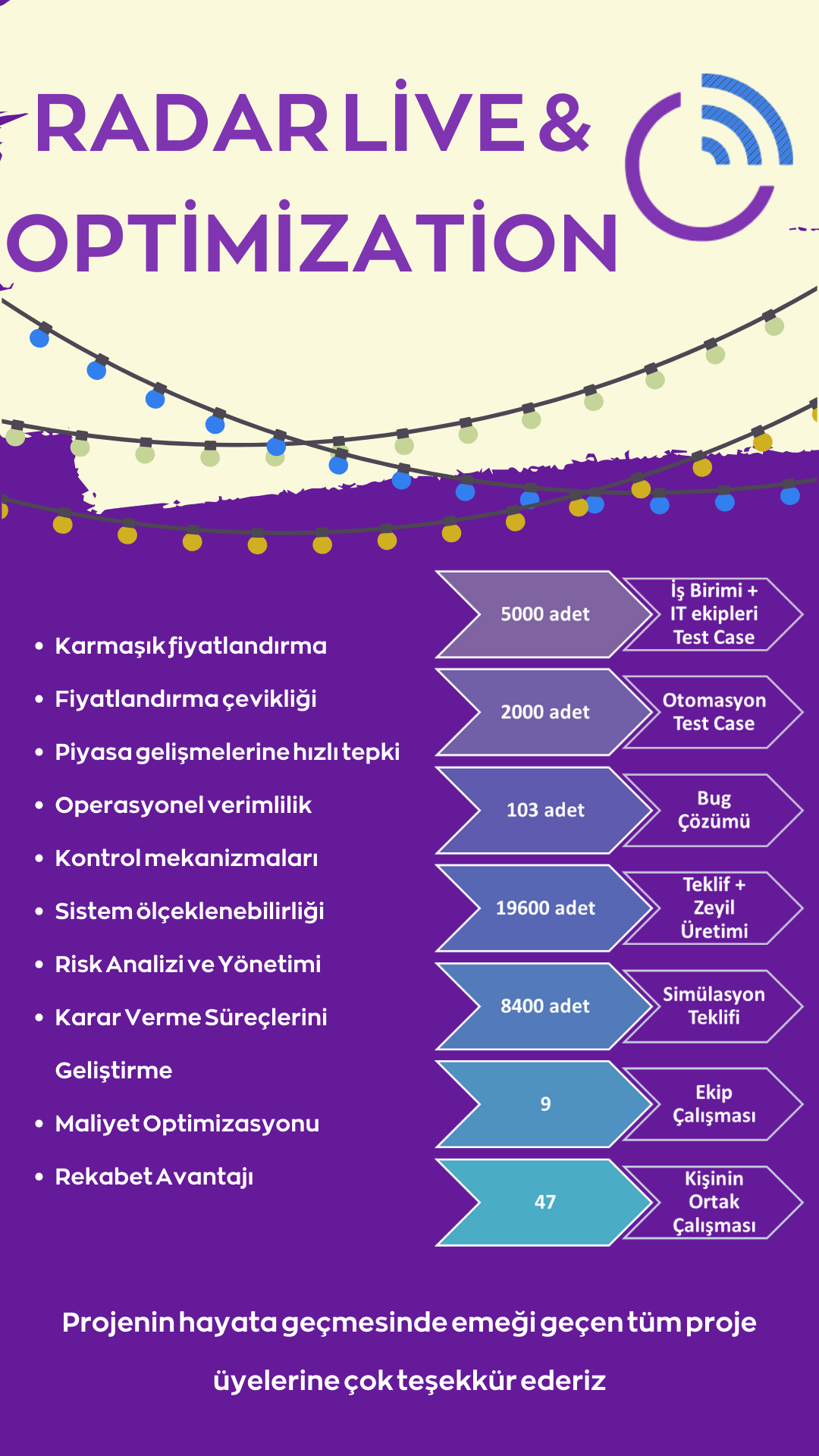
Radar Live & Optimization
Through the integration of our Radar Live tool, a significant step has been taken by enabling the direct integration of...
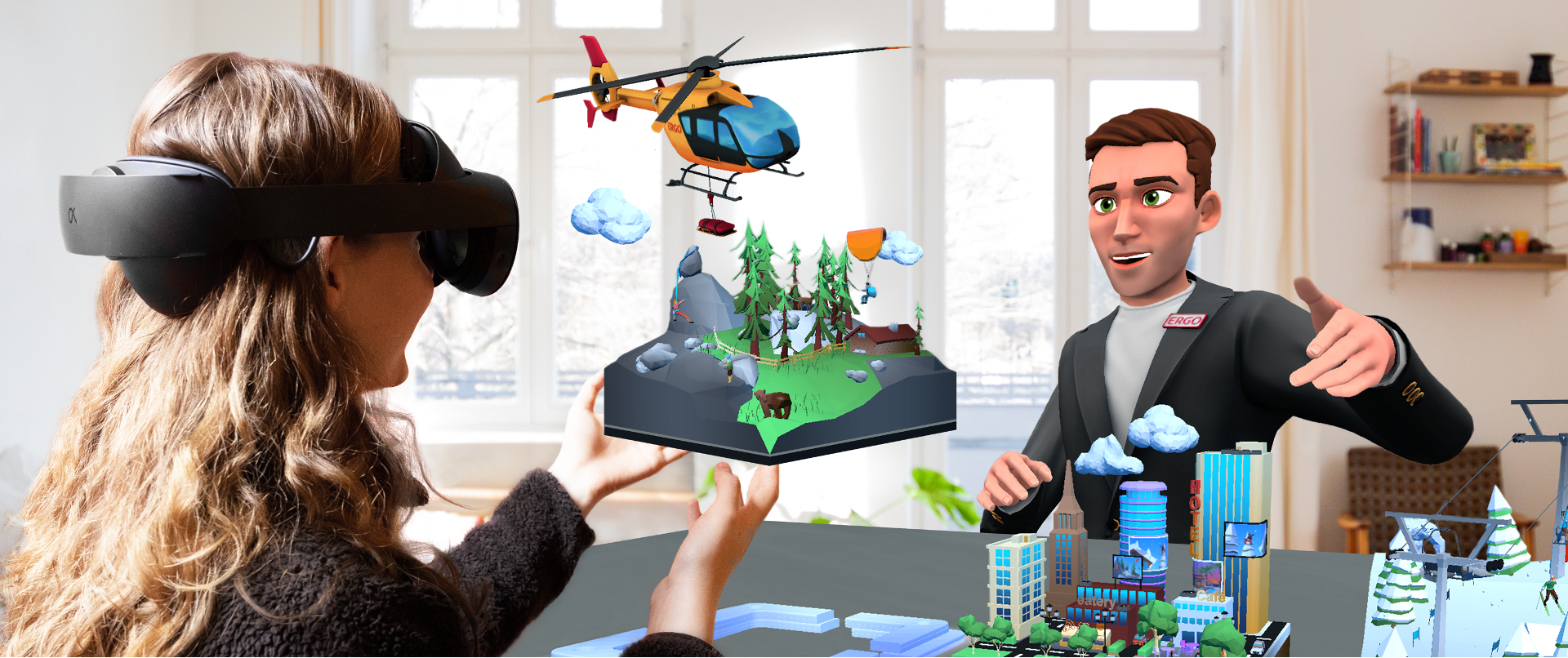
Fully immersive - the VR-based insurance advice app. Customers and advisors meet in the Metaverse
By 2016, almost 3 million VR glasses had been sold worldwide. Five years later the amount had increased almost sevenfold....

Join the Qorus
Today, Qorus is a catalyst for reinvention for our financial services members by helping them to go further, be faster and work together.
Forthcoming events

Cybersecurity: The role of the banks and insurance
Examine symbiotic relationships between financial institutions and embedded cybersecurity insurance, emphasizing collaborative efforts against digital risks and cyber threats. This session organized with our partner Allianz Partners, will explore the complexities of cybersecurity within the financial services industry and discuss effective cyber risk management practices. Invited experts will examine how...
.png)
Technology-driven sustainable synergy: Maximizing the Impact of green finance and IT solutions
Discover the powerful synergy between green finance and IT solutions, driving global sustainability through innovative collaborations. Position your organization as a leader in building a greener future by leveraging this dynamic alliance to contribute to a sustainable world.
Reinvent Forum Lisbon
Reinvent Forum Lisbon - is dedicated to the digital transformation influencing the insurance sector. Our event brings together industry leaders, experts, and innovators to delve into the latest trends and strategies for enhancing customer satisfaction through innovative digital endeavors. Attendees can expect profound insights into the evolving landscape of insurance.

Electric vehicle charging
Future position of insurance in mobility will be shaped by ongoing technological advancements, changing consumer behavior, and evolving regulatory frameworks. One of the key roles of insurance in mobility will be to provide coverage for new and emerging risks associated with the use of new technologies, such as autonomous vehicles...

Climate change and insurance gap
Climate change intensifies the insurance gap, driving a surge in extreme weather events and economic losses. Join our online event to collaborate on building a more resilient future in the face of climate change.
We help banks and insurers to reinvent themselves to thrive.
 Further
We curate inspiring and innovative projects, technology and ideas so individuals, teams and organisations can collectively create the future of financial services.
 Faster
We’re a catalyst for reinvention, improving revenue generation, creating efficiencies, redefining customer experiences and forming profitable relationships.
 Together
We're a neutral space where members unite to share, learn and collaborate, thinking freely to solve problems through an ecosystem of unique, specialist communities.